REFLECT
Let rest have a purpose
Teen sleep chemistry runs late. Rest is not a reward you earn after collapsing. It is part of how the brain works.
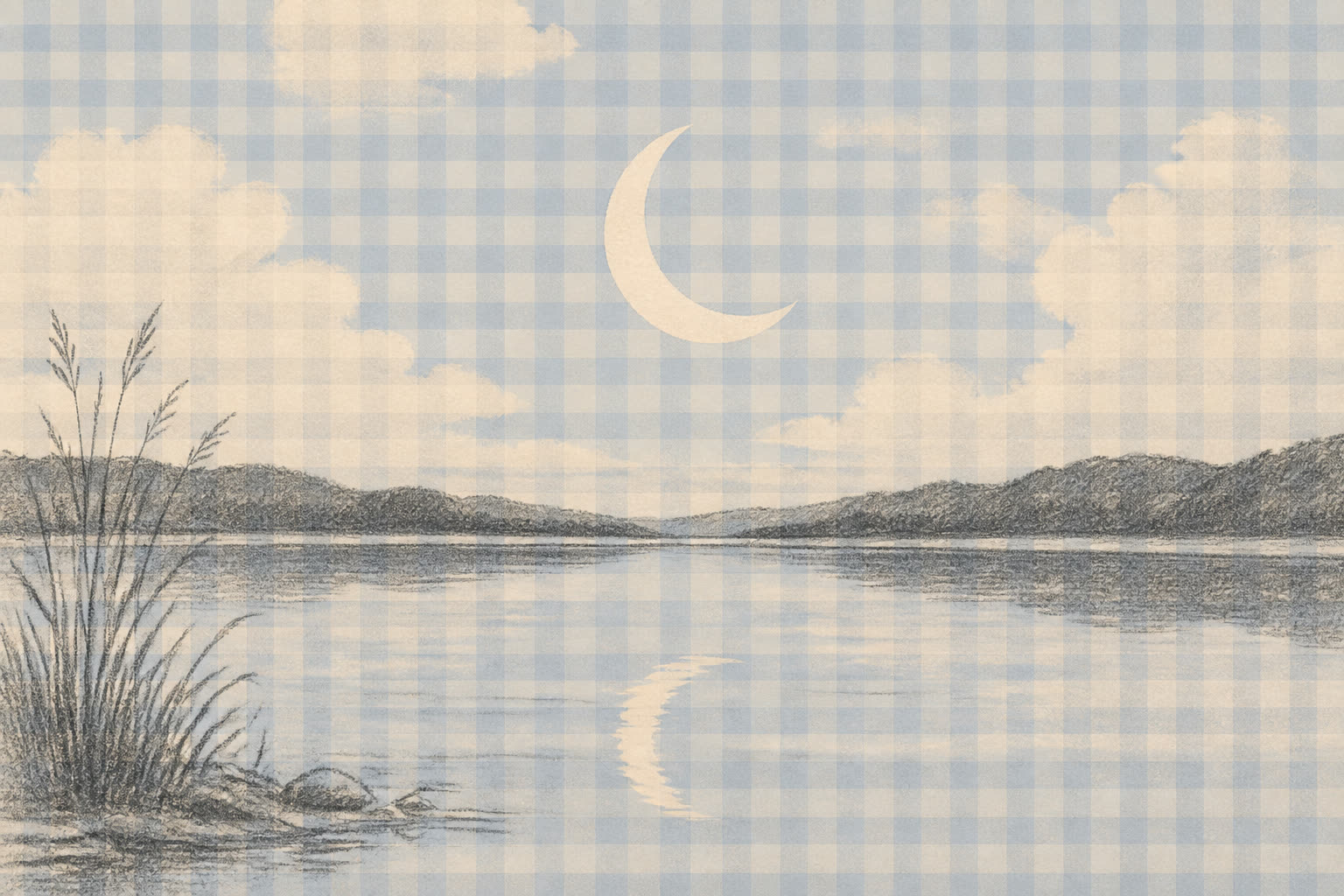
If you feel like a different person at 11 p.m. than at 7 a.m., that is not a character twist. In adolescence, the sleep hormone melatonin tends to stay high later at night and drop later in the morning. NIMH points to that shift as one reason teens stay up late and struggle with early alarms.
Most teens do not get enough sleep. That makes it harder to pay attention, manage impulses, and do the schoolwork the early alarm was protecting. Rest is not the prize at the end of productivity. It is how the brain files the day and brings the planning regions back online.
Make rest a plan, not a collapse
Protect a wind-down the way you would protect a deadline. Dim the second screen. Put the phone out of arm’s reach if you can stand it. Caffeine after dinner is a loan with interest.
Naps can help a brutal week. They do not replace a real night. If you cannot sleep for weeks, or sleep is tangled with panic, sadness, or safety, that is a conversation for a clinician or a crisis line — not for a student project.
Source: National Institute of Mental Health, “The Teen Brain: 7 Things to Know”. We rewrite in student language. If a clinician disagrees with a simplification, believe the clinician.
Keep reading
THE PLANNING BRAIN
Why “just do it” fails
Your prefrontal cortex is still under construction. Starting is a skill, not a personality test.
Read
THE ALARM SYSTEM
Stress is a body thing
A quiz can recruit the same physiology as a threat. Learn the alarm without turning breathing into a medical device.
Read
DIFFERENT WIRING
Different is not defective
ADHD and autistic brains are patterns, not broken copies of a “normal” one. Schools were mostly built for one pattern.
Read