THE PLANNING BRAIN
Why “just do it” fails
Your prefrontal cortex is still under construction. Starting is a skill, not a personality test.
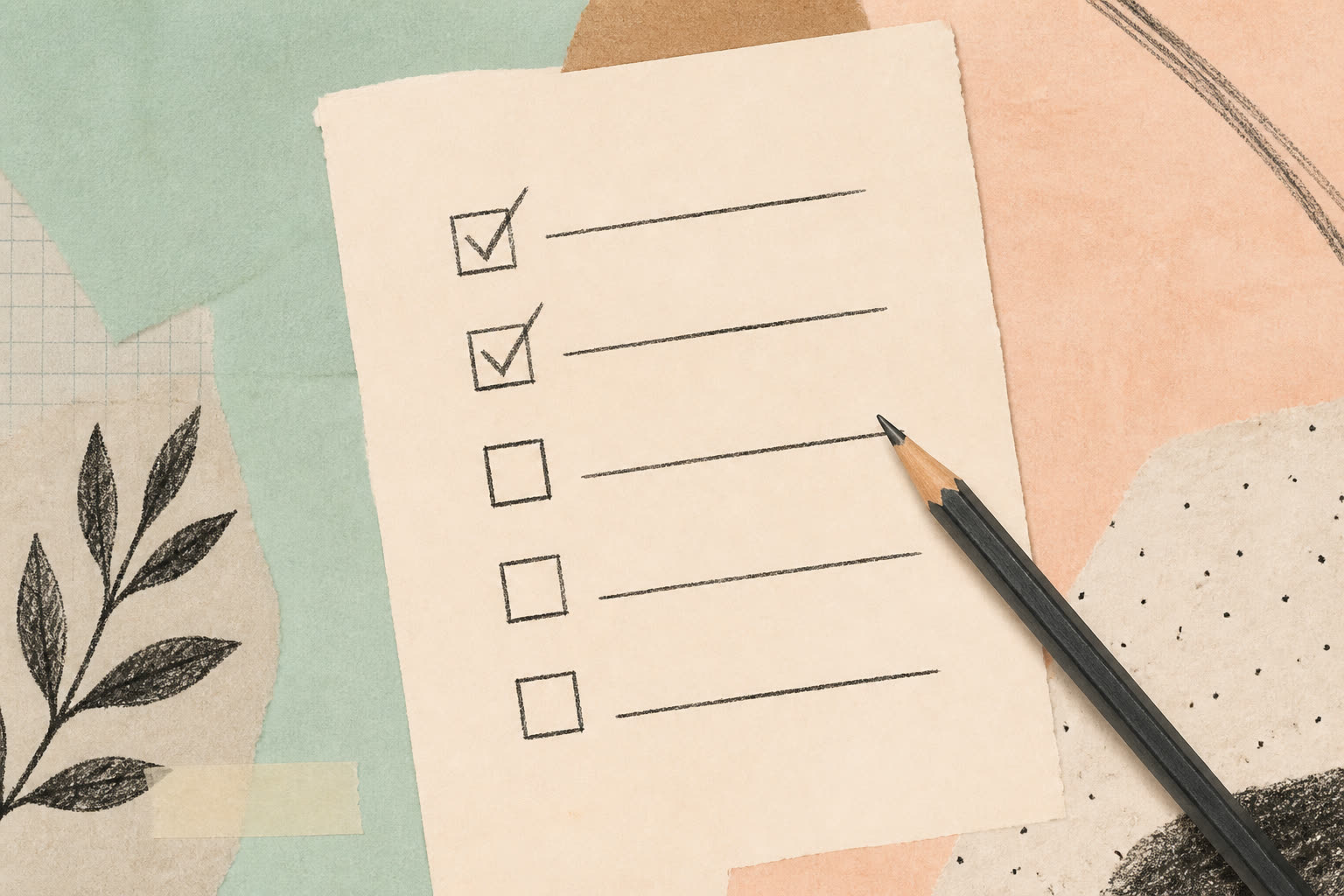
Someone says just start the essay. You stare at the doc. The cursor blinks like it is judging you. It is easy to turn that moment into a story about laziness. It is usually a story about hardware.
The prefrontal cortex sits behind your forehead. It is the part that plans, ranks what matters, and hits the brakes when a worse idea shows up. NIMH notes that the brain keeps maturing into the mid-to-late twenties, and this region is one of the last to finish. High school asks that system to behave as if it were already done.
Executive function is not a vibe
Starting, switching tasks, holding a plan in mind while your phone lights up — those are executive functions. They are skills the prefrontal cortex coordinates, not a moral setting you forgot to turn on.
Those skills get noisier when you are tired, stressed, hungry, or socially on edge, which is a normal Tuesday. The teen brain is also especially tuned to peers. A hallway, a group chat, a grade that might become public: your planning brain is competing with a social alarm that feels urgent for a reason.
What actually helps (without a TED Talk)
Shrink the first move until it is almost boring: open the file, write one ugly sentence, set a ten-minute timer. Remove a decision instead of adding willpower. Sleep is not optional decoration; a depleted prefrontal cortex will lose to the next notification.
If starting is consistently impossible across settings, that is information to bring to a trusted adult or clinician. This page is literacy, not a screening tool.
Source: National Institute of Mental Health, “The Teen Brain: 7 Things to Know”. We rewrite in student language. If a clinician disagrees with a simplification, believe the clinician.
Keep reading
REFLECT
Let rest have a purpose
Teen sleep chemistry runs late. Rest is not a reward you earn after collapsing. It is part of how the brain works.
Read
THE ALARM SYSTEM
Stress is a body thing
A quiz can recruit the same physiology as a threat. Learn the alarm without turning breathing into a medical device.
Read
DIFFERENT WIRING
Different is not defective
ADHD and autistic brains are patterns, not broken copies of a “normal” one. Schools were mostly built for one pattern.
Read