Learn
Psychology you can finish before the bell.
Each piece is original, short, and sourced. Each one says what we are not claiming. None of them is a diagnosis.
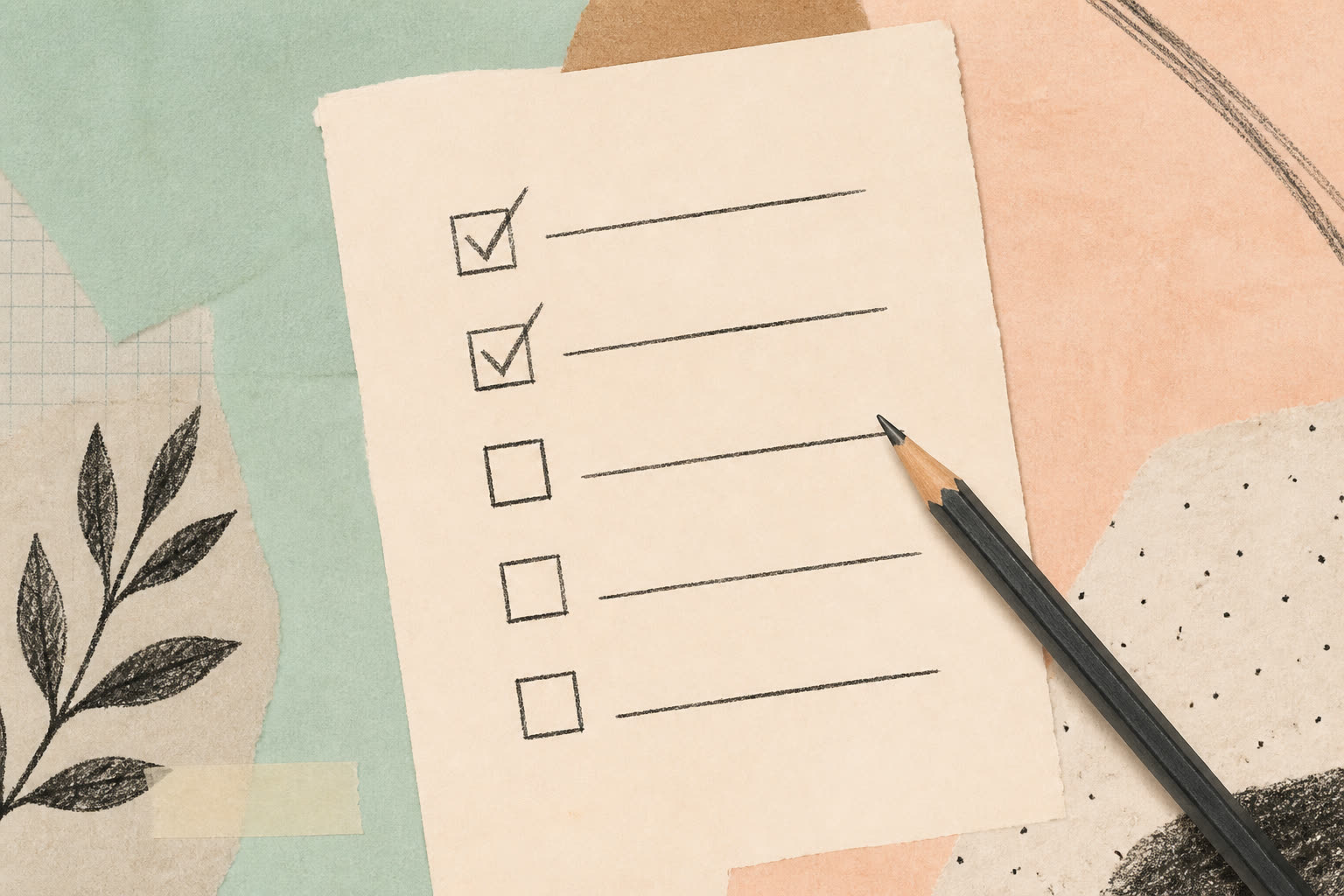
THE PLANNING BRAIN
Why “just do it” fails
Your prefrontal cortex is still under construction. Starting is a skill, not a personality test.
Read
REFLECT
Let rest have a purpose
Teen sleep chemistry runs late. Rest is not a reward you earn after collapsing. It is part of how the brain works.
Read
THE ALARM SYSTEM
Stress is a body thing
A quiz can recruit the same physiology as a threat. Learn the alarm without turning breathing into a medical device.
Read
DIFFERENT WIRING
Different is not defective
ADHD and autistic brains are patterns, not broken copies of a “normal” one. Schools were mostly built for one pattern.
Read
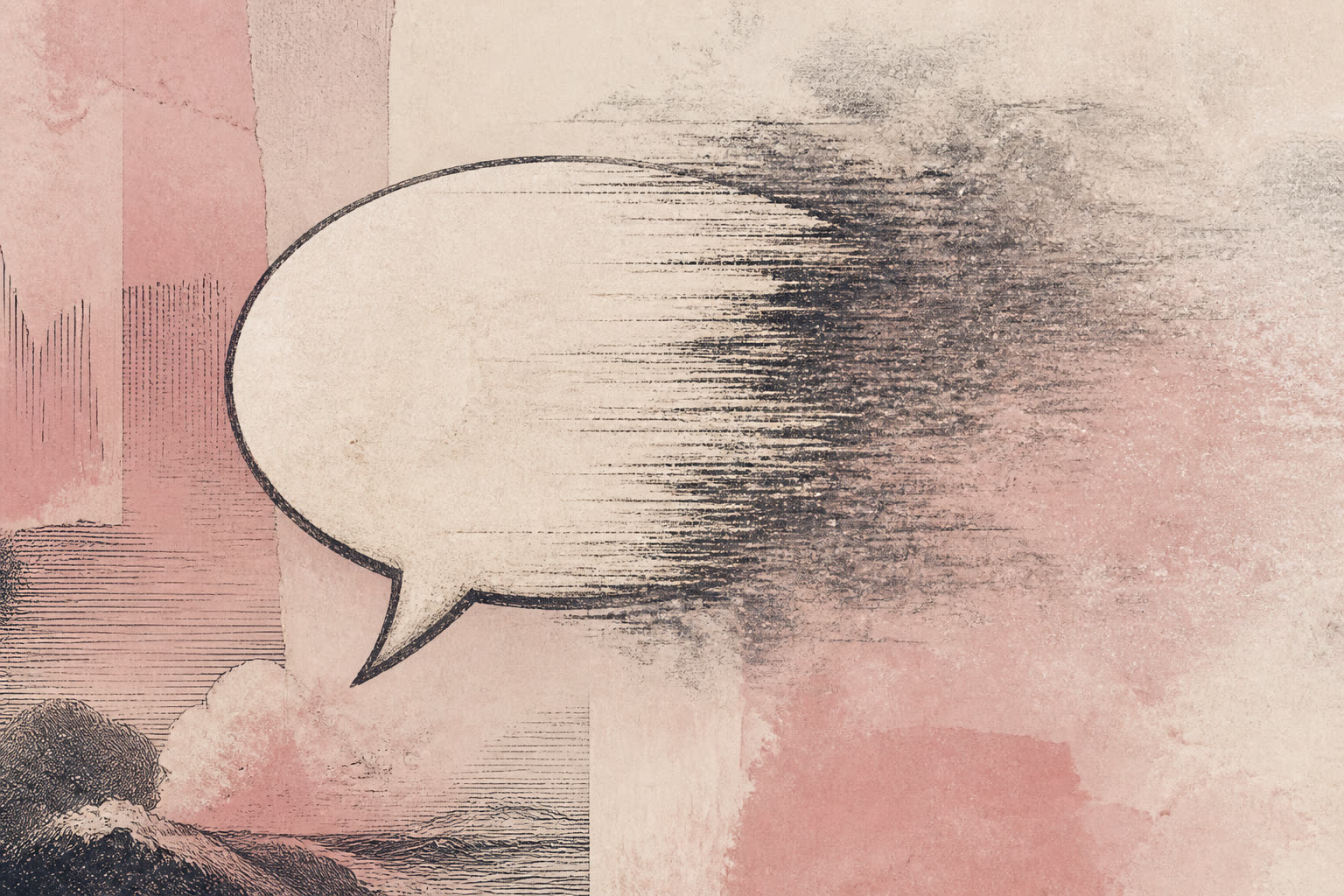
WHEN WORDS DISAPPEAR
Why your mind goes blank in a conflict
Freeze is part of the threat system. Your social brain is highly online in the teen years. A sharp comment can feel like an emergency because, to that system, it is.
Read
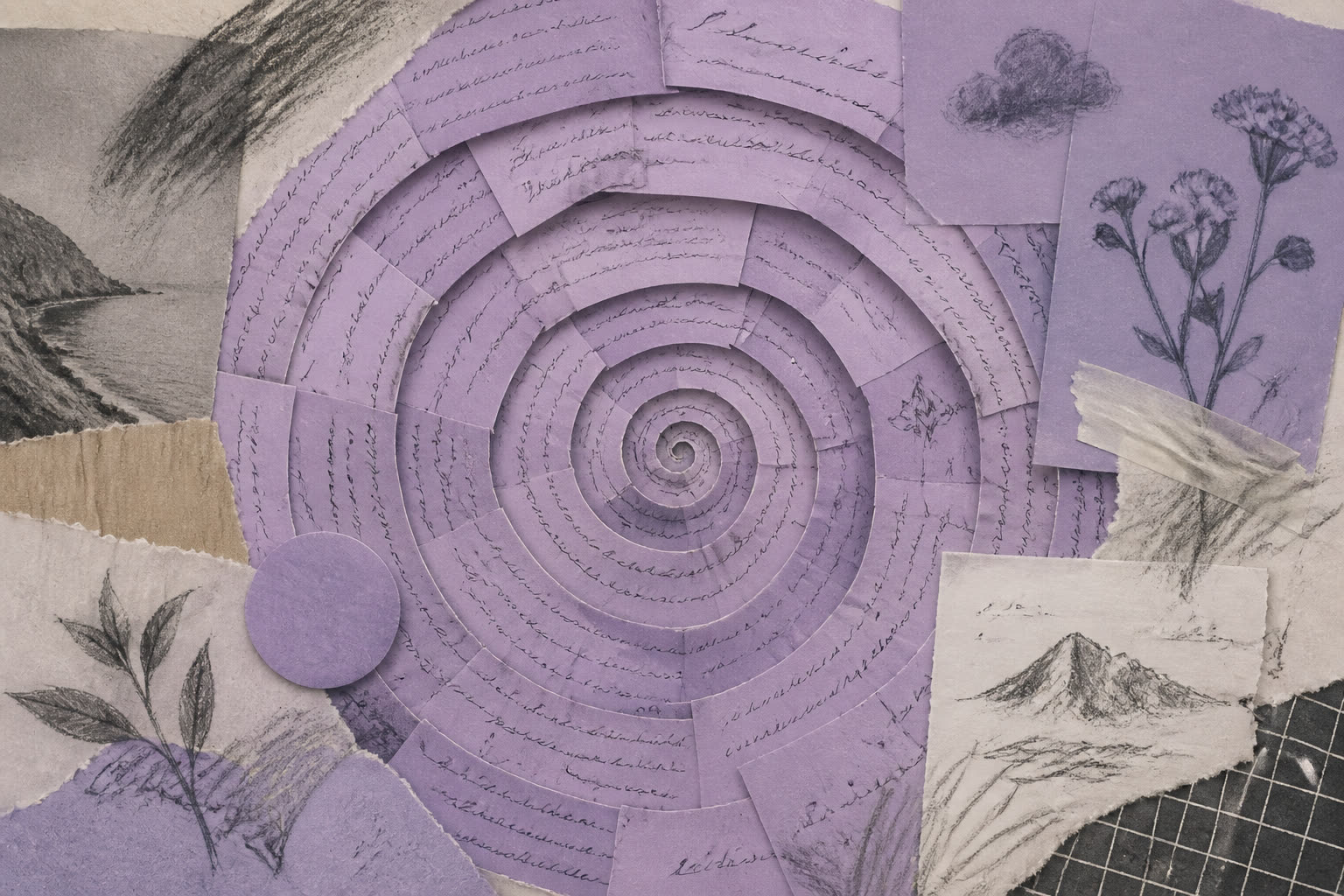
RUMINATION
Why your brain replays the same conversation
A loop after a hallway comment can be practice — or it can steal the night. Rumination is a thinking habit, not a personality.
Read
THE ALARM IS A CUE
Why anxiety makes everything feel urgent
The alarm system is trying to move you. Urgent is a body state — a cue, not a verdict that you are broken.
Read
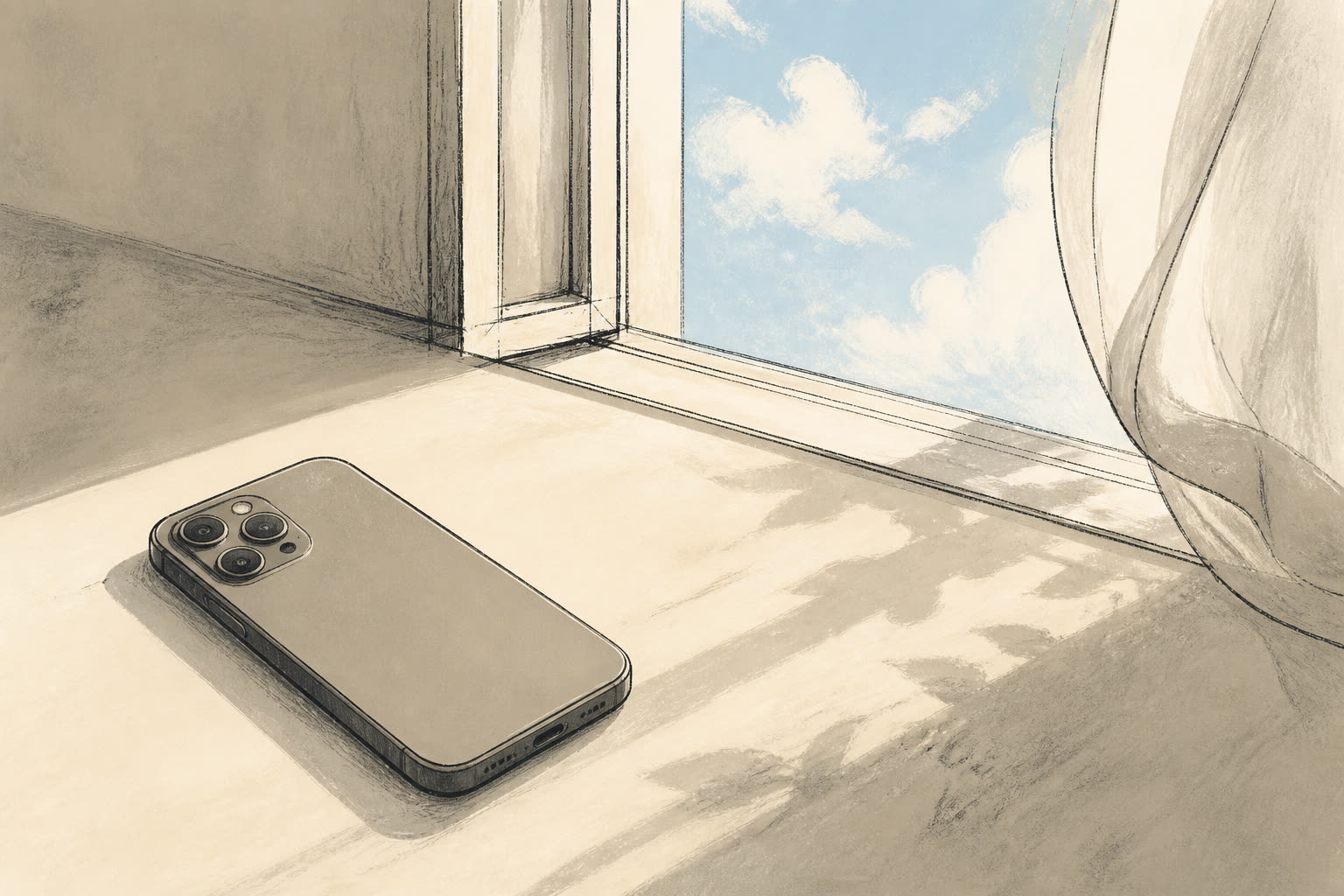
INSTEAD OF A DOOMSCROLL
Put the phone down. Finish a clearer sentence.
The mission, said plainly: trade a spiral of other people’s panic for one sentence about your own brain that you can actually use.
Read
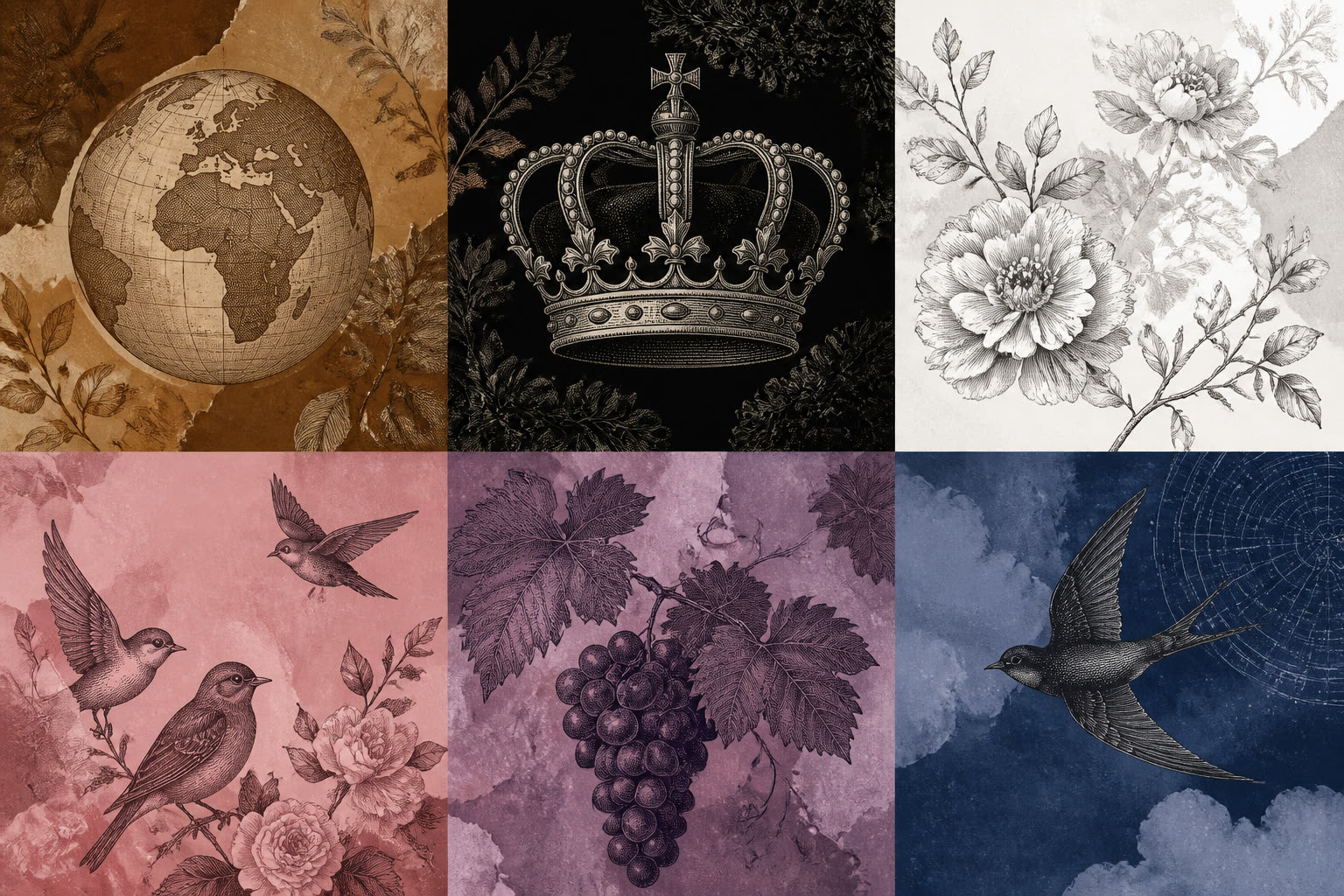
A SERIES
The psychology of colors
Color is a fast story your brain tells. The story is mostly learned. Six short pieces — curiosity, not chromotherapy.
Read
COLOR SERIES
Brown: dirt, coffee, a good chair
People call brown grounding because it looks like things that stay put. That is a metaphor, not a medical setting.
Read
COLOR SERIES
Black is a volume knob, not a personality
Black absorbs light. Everything else — power, grief, eyeliner — is culture piled on the physics.
Read
COLOR SERIES
White: a blank page is a feeling
White can mean reset, lab coat, or a room that is too bright. Clean is a design word — and a loaded one.
Read
COLOR SERIES
Pink is a recent argument
“For girls” is modern marketing, not an ancient brain law. Pink can be quiet, loud, or a highlighter you actually need.
Read
COLOR SERIES
Purple used to be a flex
Scarce dye made purple look royal. The leftover story is magic and creativity — culture, not a talent spell.
Read
COLOR SERIES
Blue is a sky, a link, and a cliché
Trust-button blue and sad-song blue are costumes. Some people find it calming. That is not a prescription.
Read
FOR FRIENDS
How to help a friend without becoming their therapist
Sit with someone. Do not diagnose them. You are a classmate, not a clinic.
Read