WHEN WORDS DISAPPEAR
Why your mind goes blank in a conflict
Freeze is part of the threat system. Your social brain is highly online in the teen years. A sharp comment can feel like an emergency because, to that system, it is.
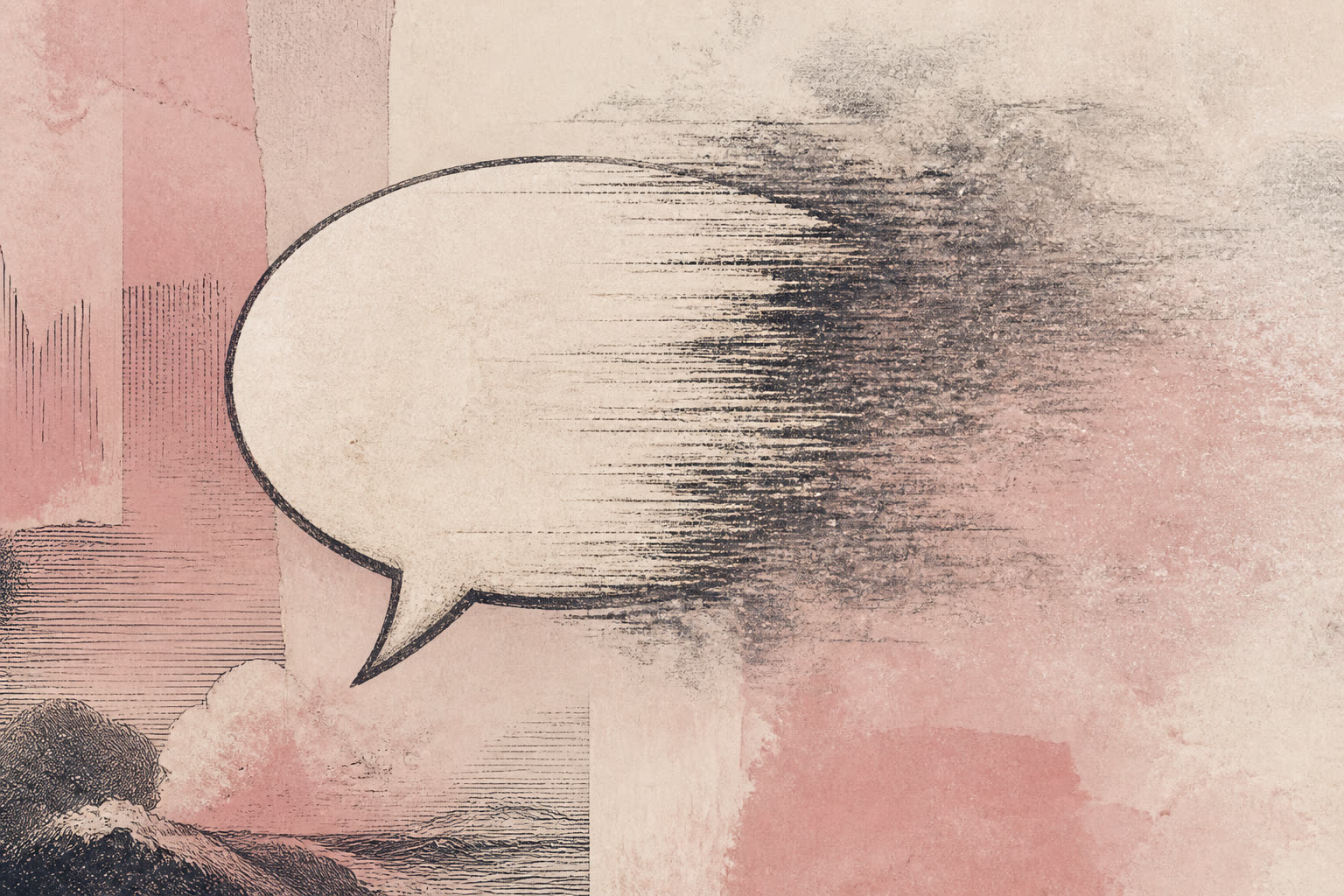
Someone asks why you are upset. You had a speech ready two hours ago. Now there is static. Later you will replay the moment and write the perfect paragraph in the shower. That delay is not proof you are fake. It is what happens when the alarm system borrows the microphone from language.
NIMH notes that brain systems for social life are shifting in adolescence. Peers matter more. The possible social cost of a moment can outweigh the “rational” one on paper. Combined with a prefrontal cortex still coming online, a conflict is not a TED-stage conditions set. It is a body event.
Blank is a strategy, not a failure
Fight, flight, and freeze are cousin responses. Freeze can look like a shrug, a laugh, or a sudden need to check your phone. Blood and attention move toward surviving the second, not toward a clever sentence.
You can plan for it the way you plan for a fire drill: a pause phrase (“I need a minute”), a walk, writing instead of performing. Repair is allowed to be later. If conflict at home or school includes fear for your safety, that is bigger than a communication tip. Use 988 or talk to a trusted adult.
Source: National Institute of Mental Health, “The Teen Brain: 7 Things to Know”. We rewrite in student language. If a clinician disagrees with a simplification, believe the clinician.
Keep reading
THE PLANNING BRAIN
Why “just do it” fails
Your prefrontal cortex is still under construction. Starting is a skill, not a personality test.
Read
REFLECT
Let rest have a purpose
Teen sleep chemistry runs late. Rest is not a reward you earn after collapsing. It is part of how the brain works.
Read
THE ALARM SYSTEM
Stress is a body thing
A quiz can recruit the same physiology as a threat. Learn the alarm without turning breathing into a medical device.
Read