A SERIES
The psychology of colors
Color is a fast story your brain tells. The story is mostly learned. Six short pieces — curiosity, not chromotherapy.
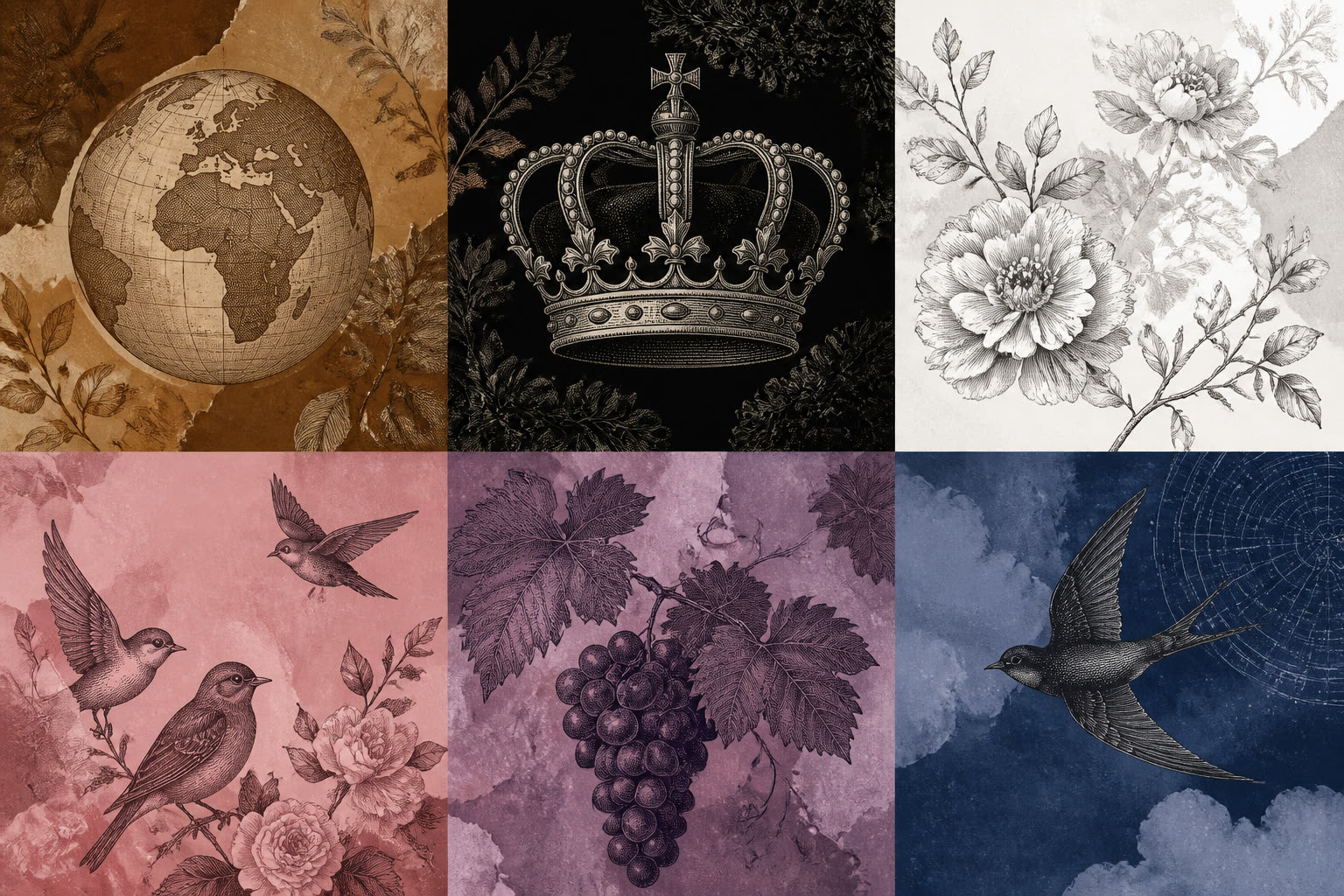
Before you finish a sentence, a palette has already borrowed a mood — sky, bruise, highlighter, leftover coffee. Color is one of the fastest stories a nervous system tells.
Here is the hedge on the first screen: those stories are mostly learned. Culture, memory, lighting, and fashion do more work than a quiz that says “blue means calm, so you are healed.” Vision science can tell you how cones and cortex build a hue. Mood-by-hex-code is marketing with a lab coat.
What your eyes are actually doing
BrainFacts puts it plainly: color is not a sticker on the world. It is something the brain constructs. Light hits cone cells in the retina; those signals get compared and interpreted. People with different cone function literally receive a different data set. That is biology. “Pink is for girls” is not.
Use this series as curiosity. If a color makes your chest tight because of a memory, believe the memory. Do not believe a poster that sold you a feeling.
The series
Psychology of colors — original, hedged, not a treatment.
Source: BrainFacts / Society for Neuroscience, “Color: The World Your Brain Creates”. We rewrite in student language. If a clinician disagrees with a simplification, believe the clinician.
Keep reading
THE PLANNING BRAIN
Why “just do it” fails
Your prefrontal cortex is still under construction. Starting is a skill, not a personality test.
Read
REFLECT
Let rest have a purpose
Teen sleep chemistry runs late. Rest is not a reward you earn after collapsing. It is part of how the brain works.
Read
THE ALARM SYSTEM
Stress is a body thing
A quiz can recruit the same physiology as a threat. Learn the alarm without turning breathing into a medical device.
Read